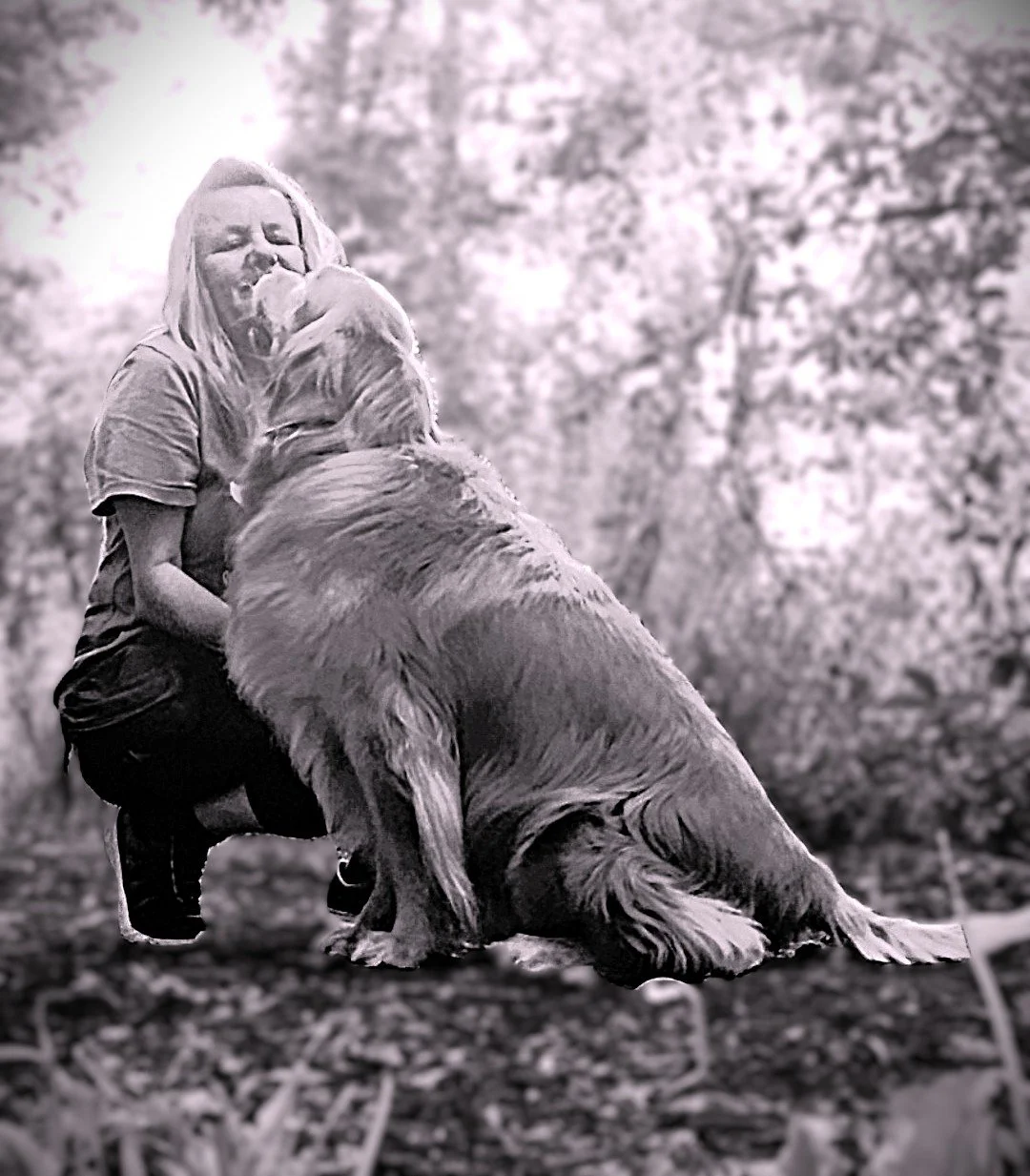
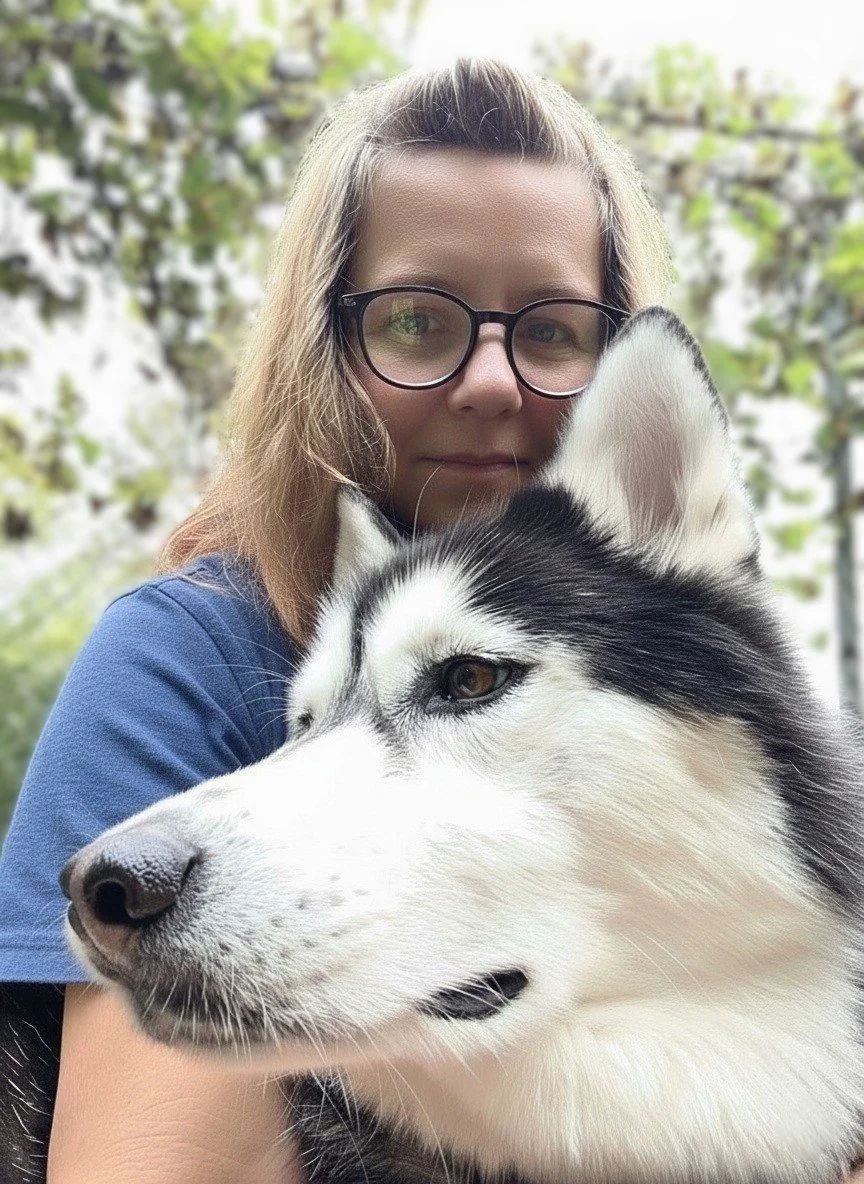
I stand behind your success.
Click on the services below for details and selected age groups…
All services include written and video materials. Additionally, I offer unlimited guidance for the lifetime of your dog.
-
Nurturing Your Puppy’s Development
Emphasizing a blend of essential skill-building, behavioural insights, and a positive mindset is key to helping your puppy grow into a confident and well-mannered dog.
Core Training Objectives
Establish a strong foundation for communication between you and your puppy.
Teach essential cues such as come, stay, leave it, and watch me.
Leash introduction and manners
Instill wanted behaviours in your puppy while providing positive, guided socialization and exposure to various environments.
Additionally, we will address handling techniques to ensure your puppy remains calm during vet visits, grooming sessions, and more. Through engaging games that facilitate learning and the right tools at your disposal, we will work together to boost your puppy’s confidence and curb unwanted behaviours.
Early intervention is the key to prevention!
Open for dogs up to 1 year old
Duration - 4 weeks/60-minute sessions
Package price starting at $225.00
-
Tailored Training for Unique Behavioural Challenges
When confronting specific behavioural issues, generic training classes may not be sufficient, as they often overlook your dog's unique environment, history, and triggers. A custom-designed training program is a personalized strategy crafted specifically for your dog's personality and your household's dynamics.
Rather than focusing solely on generic cues and structure, this method emphasizes behaviour modification and effective problem-solving.
Benefits of Tailored Training
Personalized Sessions: Designed by you, these sessions offer the most effective coaching and implementation strategies.
Hands-On Guidance: You'll receive direct assistance and refinement throughout the process.
Quick Results: Often, just one session is all it takes to get back on track!
Open to dogs of all ages
Duration - 90 minutes (more than 1 session may be required)
Session price starting at $165.00
-
The Importance of the “Golden Window” in Puppy Development
Between the ages of 3 and 14 weeks, puppies undergo a crucial developmental phase known as the “Golden Window” of learning. In the initial weeks of their lives, interactions with their mother and littermates play a vital role in helping them become aware of their surroundings. During this time, puppies learn important lessons such as bite inhibition and canine social cues.
As they progress into the investigative phase, puppies grow more confident and curious, starting to seek out interactions and discovering that humans can provide positive experiences.
Real World Imprinting
To help maintain the skills your puppy has acquired during their early stages, I am offering a mobile, positive imprinting service. I believe the best learning happens in the real world.
Instead of traditional facility boarding, my mobile imprinting service comes to your home and daily environment. This personalized approach allows us to develop structured routines, address home management challenges, and introduce new experiences in your puppy’s surroundings—ensuring a positive start and lasting progress.
This program is designed to teach not only new behaviours, but also how to prepare your puppy for the outside world with confidence.
This comprehensive method guarantees success for both you and your puppy and emphasizes building a strong foundation of trust and communication. I employ real-life, reward-based training techniques and positive reinforcement encouraging your puppy to learn and thrive in a supportive atmosphere.
By investing in this early-stage training, you are laying the foundation for a confident, well-mannered dog in any situation.
Open for puppies 8-24 weeks of age.
Duration: 6 weeks, 3 weekly sessions
Package price: $1650.00
-
If you’re facing challenges with training, or finding the time to train with a busy schedule, I understand!
Transform your puppy’s day with our Firefly Play & Learn Day Training—where fun meets foundational skills! Let me guide your pup through engaging activities that bolster both love and learning.
Comprehensive day training filled with fun activities and skill-building exercises.
Certified training focused on reinforcing positive behaviours and socialization.
Interactive and engaging environment for your puppy to learn and play.
Smooth bonding transition while you enjoy your puppy’s accomplishments.
House-training, crate training, chewing, basic cues for good manners, leash introduction, walking on leash, environmental exposure, games that teach.
Give your puppy the perfect blend of fun and learning in your home while you tend to your daily schedule. Experience peace of mind and confidence while I do the footwork and after weekly demonstrations and discussion, you will have a clear understanding on how to maintain everything your puppy has learned.
Open for dogs up to 8 months old.
Duration - 4 weeks/120-minute sessions. Includes 2 additional demonstration and overview sessions.
Package Price: $750.00
-
It’s a Puppy Party!
Positive interactions and exposure should start as soon as you welcome your new puppy home. The way you introduce your puppy to new dogs and new people now will shape these interactions with others in the future. These sessions will take place once a month in a secured indoor setting. During your visit, we will be blending social playtime with informative discussion on developmental stages, training tips, fear imprint periods, and solutions to common challenges faced while raising your puppy. Looking forward to seeing you at the party!
Separate Sessions Available:
Little Stars - small to medium breed puppies 8-16 weeks old
Supernovas - large to x-large breed puppies 8-16 weeks old
Minimum 3 puppies, maximum 6 - You will be notified of the confirmed date once we have enough participants. These sessions run on Saturday or Sunday depending on majority.
Duration - 1.5 hours
Session price: $65.00
-
Core Components
Rather than a standard training session where you learn specific protocols, the consultation is an investigative and diagnostic process.
1. Behavioural Assessment
Observing the dog’s natural body language and reactions in its "real world" environment. This helps identify:
The Root Cause: Determining if a behaviour (like barking) is driven by fear, aggression, over-excitement, or boredom.
Thresholds: Identifying how close a trigger can get before the dog reacts.
Physical Factors: Ruling out potential pain or illness that might be causing sudden behavioural shifts.
2. Environmental Review
Observing how the home environment influences behaviour.
This includes:
Resource Control: How the dog "earns" what it values (food, toys, attention).
Safety & Management: Recommending tools like baby gates, crates, or specific leashes to prevent the dog from practicing unwanted behaviours.
Daily Routine: Assessing if the dog’s fundamental physical and mental needs are being met.
3. Strategy & Goal Setting
Once the assessment is complete, we collaborate on a roadmap:
Personalized Profile: Creating a plan unique to that specific dog, rather than using a generic approach.
Manageable Milestones: Setting realistic expectations for progress.
Immediate Homework: Providing "stop-gap" measures to manage the behaviour while the long-term training plan begins.
Session price starting at $85.00/60 minutes
My commitment to you…
Plan with Purpose
Together, we outline a path forward that’s realistic, strategic, and tailored to your specific needs.
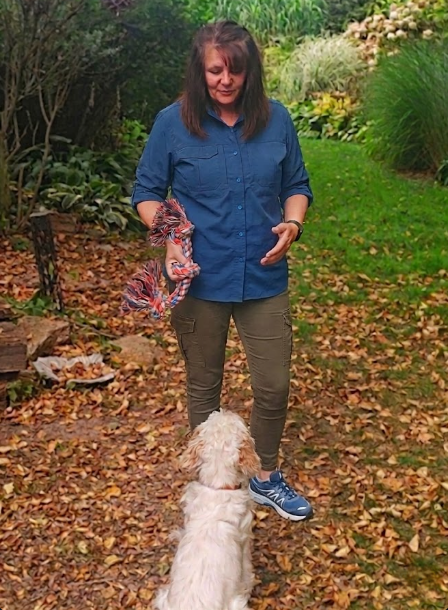
Open Communication
You’re part of the process and I want you to feel valued and heard throughout your journey. Together we can proactively address challenges and celebrate success.
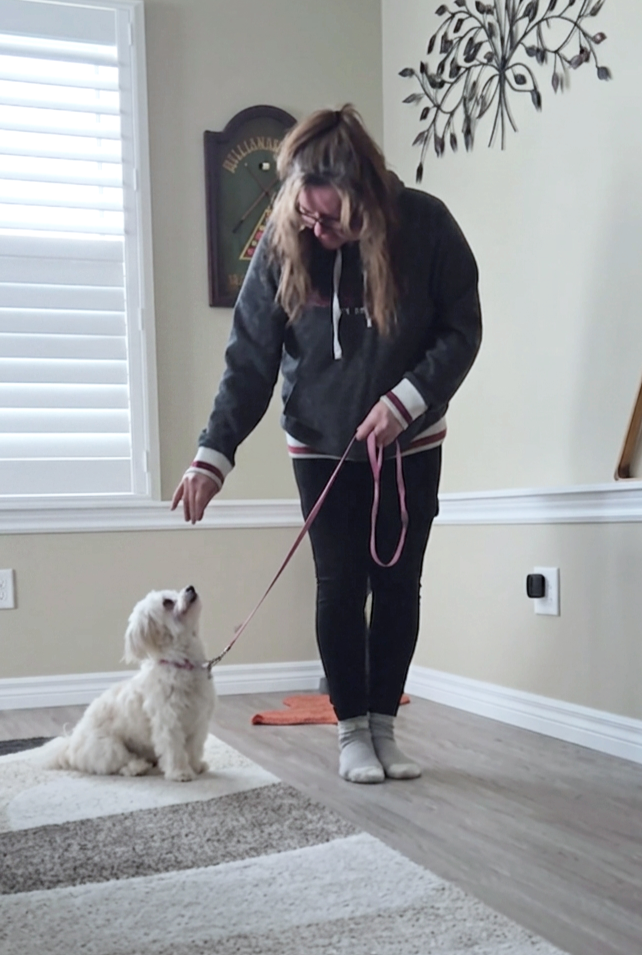
Availability
Providing support and guidance for the lifetime of your dog, I aim to help you achieve your goals. Your satisfaction, peace of mind and your dog’s happiness are my top priorities.
Simplicity
Training your dog should not be daunting and complicated. My sessions are designed with both you and your dog in mind. Enjoy the process with games that teach and understand how to guide your dog with clear direction.